Author: kailash

  • Benefits Register vs. Benefits Management Plan: When Do You Update Which?

    Benefits Register vs. Benefits Management Plan: When Do You Update Which?

    Last week, during a mentoring call, one of my PgMP mentees asked:

    “Kailash, I’m a bit confused. When exactly do I update the Benefits Register, and when do I touch the Benefits Management Plan?”

    That’s a brilliant question. And I figured this might help many others in our program management community too.

    So here’s how our conversation went. 👇

    👨🏫 I Explained: Let’s break this into two core understandings.

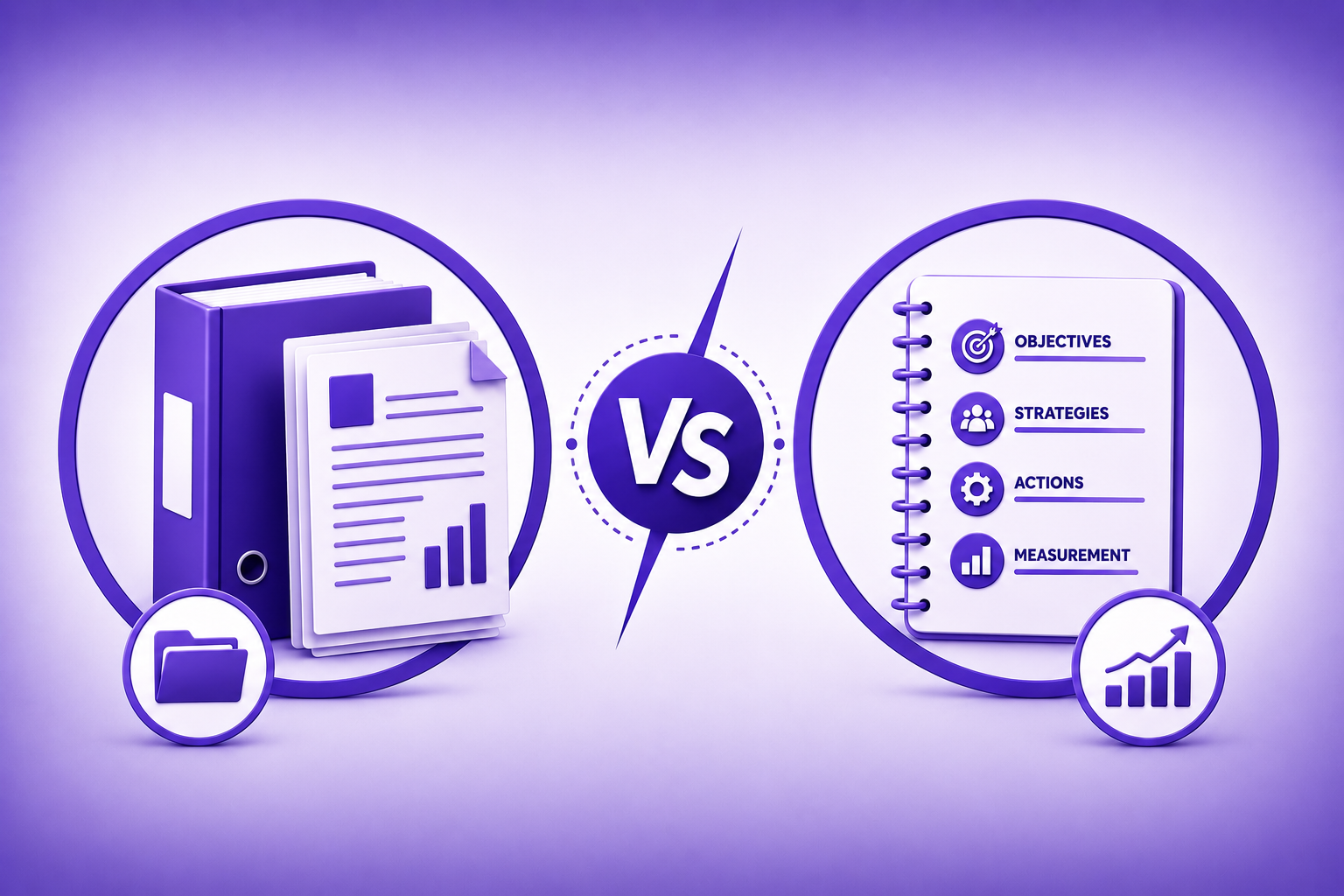
    🧾 Benefits Management Plan is your Playbook

    It defines how benefits will be identified, measured, governed, validated, and realized throughout the program lifecycle.

    📋 Benefits Register is your Scorecard

    It captures what benefits exist today, who owns them, their KPIs, timelines, realization status, and overall progress.


    ✅ When Do You Update the Benefits Register?

    Anytime there’s a change in a specific benefit, such as:

    1. A new benefit is identified or an existing benefit is re-scoped.
    2. Benefit realization timelines shift.
    3. A benefit is cancelled, split, or replaced.
    4. The benefit owner or KPI changes.
    5. The realization status changes (Planned → In Progress → Realized).

    💡 Mentee’s Example:

    “Our benefit to reduce customer churn by 10% in Q3 is now projected for Q4.”

    ✅ Yes. Update the Benefits Register.


    🧠 When Do You Update the Benefits Management Plan?

    Only when there’s a change to how the program manages benefits, such as:

    1. New governance mechanisms or reporting cycles.
    2. Revised benefit categorization or prioritization strategy.
    3. Updates to benefit measurement methodologies.
    4. Changes to tools, dashboards, or reporting mechanisms.
    5. New stakeholder-approved benefit validation criteria.

    💡 A simple way to remember it:

    If you’re changing the management approach, you’re changing the Plan.

    If you’re changing the status of an individual benefit, you’re updating the Register.

    💡 Mentee’s Example:

    “During program delivery, our executive sponsors suggested we start tracking intangible benefits such as team morale and innovation culture alongside financial benefits. This wasn’t part of our original benefit measurement framework.”

    ✅ Yes. Update the Benefits Management Plan.


    🗣️ Now Over to You. Let’s Test Your Thinking!

    Can you answer these? Drop your thoughts in the comments or DM me.

    1. Your benefit realization owner for a key financial benefit has changed. Which document do you update?
    2. You’ve identified a completely new benefit during program delivery. Which document must be updated immediately, and under what circumstances might the Benefits Management Plan also need revision?
    3. Your organization decides to introduce a new categorization model for strategic versus tactical benefits across all programs. Which document gets revised?
    4. A benefit’s realization has been delayed by two quarters because a key component delivery slipped. Which document do you update?
    5. Your leadership decides that all benefits will now be reviewed through a new integrated ERP and CRM dashboard. What should be updated?

    🔄 One More Difference That Many PgMP Aspirants Miss

    My mentee then asked another interesting question.

    “Kailash, do both updates require Steering Committee approval?”

    This is where many professionals get confused.

    📋 Benefits Register is a living operational document.

    As benefits evolve during program delivery, updating benefit owners, realization dates, KPIs, realization status, or adding newly identified benefits is part of normal program management. These updates generally do not require Program Steering Committee approval because you’re recording changes to individual benefits, not changing the program’s governance approach.

    🧾 Benefits Management Plan, on the other hand, is a baselined management document.

    If you change the benefit measurement framework, governance process, reporting cadence, benefit validation criteria, or the overall benefits realization strategy, you’re changing how the entire program manages benefits. Such changes typically require governance review, formal change control (where applicable), and approval from the Program Steering Committee or the designated governance authority before the revised plan becomes the new baseline.


    🎯 My Mentoring Tip

    One mistake I frequently see during PgMP mentoring is that professionals treat every program document the same.

    They don’t.

    Some documents govern the program.

    Others reflect the program.

    Understanding that distinction helps you make better governance decisions, manage programs more effectively, and answer PgMP exam questions with much greater confidence.

    Remember this:

    📋 The Benefits Register reflects execution.

    🧾 The Benefits Management Plan governs execution.

    Update the Register to record reality.

    Update the Plan only when the way you manage benefits changes.


    If this clarified a concept you’ve struggled with, share it with another program manager who might find it useful.

    Follow me for more practical PgMP insights, real-world program management lessons, and certification mentoring tips that go beyond the textbook.

    To your success,
  • 🚀 Who Owns the Program Business Case?

    🚀 Who Owns the Program Business Case?

    The Program Management Myth That Confuses Thousands of Professionals

    “The Program Business Case is prepared before the program starts, so why should the Program Manager care?”

    It’s one of the most common misconceptions I encounter while mentoring Program Managers and PgMP® aspirants across the globe.

    And honestly…

    It sounds logical.

    If the organization has already approved the investment, why should the Program Manager revisit the Business Case?

    The answer lies in understanding one fundamental difference:

    💡 An investment idea is NOT the same as an executable program.


    📖 Imagine This…

    A global retail organization wants to become a digital-first enterprise.

    The Portfolio Review Board approves a strategic initiative called:

    “Digital Customer Experience Transformation Program”

    A high-level Business Case is prepared.

    It includes objectives such as:

    ✅ Increase online revenue by 30%

    ✅ Improve customer satisfaction

    ✅ Reduce operational costs

    ✅ Complete the transformation within three years

    Funding is approved.

    Leadership is excited.

    Everything looks perfect.

    Then…

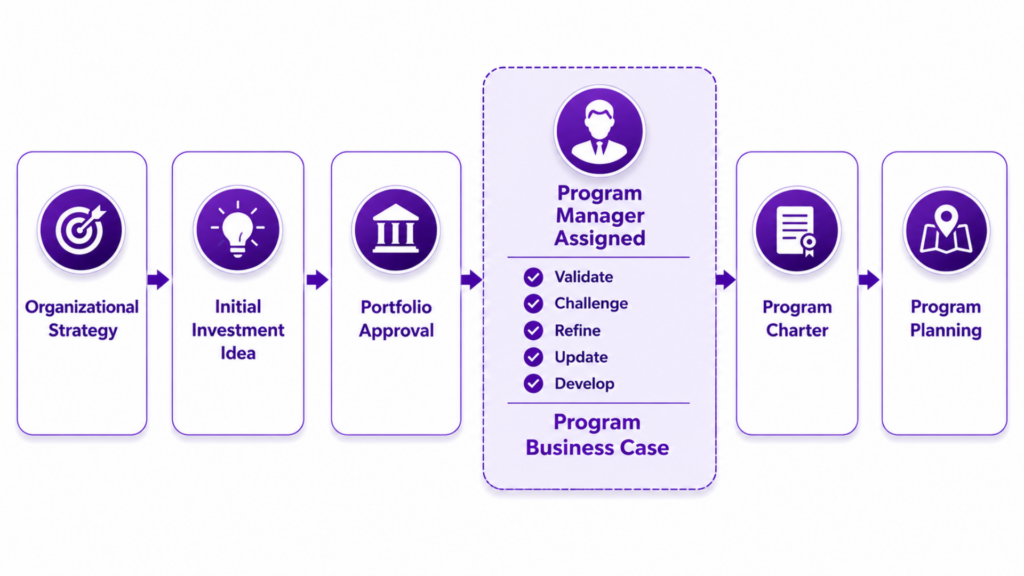
    A Program Manager is appointed.

    Should the Program Manager simply say,

    “Looks good. Let’s start executing.”

    ❌ Absolutely not.

    That would be one of the biggest mistakes a Program Manager could make.


    🎯 This Is Where Program Management Actually Begins

    While many believe Program Management begins with execution…

    It actually begins with validation.

    An experienced Program Manager immediately starts asking questions that nobody asked during the initial investment approval.

    🔍 Questions every Program Manager should ask

    • 📈 Is the 30% revenue growth still realistic?
    • 🎯 Which benefits are actually measurable?
    • 📦 Which program components will deliver those benefits?
    • ⚠️ What assumptions are no longer valid?
    • 🚨 What new risks have emerged?
    • 🌍 Has the market changed?
    • 🤖 Is AI changing customer expectations?
    • 🔄 Do we still need all proposed components?
    • 💡 Are there better solution alternatives available today?

    Notice something important…

    The Program Manager is NOT questioning whether the organization needs the investment.

    The Program Manager is questioning whether the approved investment can still deliver the promised business value.

    That is a completely different responsibility.


    📚 What Does PMI Actually Say?

    The Standard for Program Management – Fifth Edition removes any ambiguity.

    Within the Strategic Alignment Performance Domain, PMI clearly states:

    “During Program Definition, the Program Manager collaborates with key sponsors and stakeholders to develop the Business Case that assesses the program investment against the intended benefits.”  

    Now pay attention to the wording.

    PMI does NOT say:

    ❌ Read the Business Case

    ❌ Accept the Business Case

    ❌ Execute the Business Case

    PMI says:

    ✅ Develop the Business Case

    That single statement changes the entire interpretation.


    📖 Even Stronger Evidence

    Chapter 4 goes one step further.

    PMI explains that:

    The Program Definition Phase establishes and confirms the Business Case, and during Program Formulation, program activities contribute to the development of the Program Business Case and Program Charter.  

    Now ask yourself…

    If the Program Manager had no responsibility for the Business Case…

    🤔 Why would the Business Case be one of the primary outputs of Program Formulation?

    Exactly.


    📊 From Strategy to Program


    🔄 The Business Case Is NOT a Static Document

    One of the biggest myths in Program Management is that the Business Case becomes frozen after approval.

    Real-world programs simply don’t work that way.

    Business environments evolve continuously.

    🌍 What changes?

    • 📉 Market conditions
    • 🤖 Emerging technologies
    • 🏢 Competitive landscape
    • ⚖️ Regulations
    • 👥 Customer expectations
    • 💲 Economic conditions
    • 🌱 Organizational priorities

    If none of these changes are reflected in the Business Case…

    The program may still:

    ✅ Finish every project on schedule

    ✅ Stay within budget

    Yet…

    ❌ Completely fail to deliver business value.

    That is exactly why PMI treats the Program Business Case as the foundation of Strategic Alignment.


    🏢 Think Like a CEO

    Imagine your company purchases land to build a shopping mall.

    Six months later…

    🚇 A metro station is announced nearby.

    👨‍👩‍👧 Population projections double.

    💰 Construction costs increase by 25%.

    📈 Commercial demand grows dramatically.

    Would any CEO continue using the original Business Case without updating it?

    Of course not.

    The Business Case would immediately be revised.

    The same principle applies to every strategic program.

    A Program Manager protects business viability, not just project delivery.


    ⚠️ What If the Program Manager Isn’t Involved?

    The Portfolio Review Board may approve the investment, and the Program Sponsor may secure funding.

    But without the Program Manager actively validating and refining the Program Business Case, the program risks moving forward based on outdated assumptions rather than current business realities.

    Think back to our shopping mall example.

    A CEO would never continue investing in the same plan after learning that a metro station is being built nearby, construction costs have increased, or customer demographics have shifted.

    The Business Case would be reviewed immediately.

    The same principle applies to programs.

    Potential Consequences

    🚩 Benefits become unrealistic or outdated

    The expected benefits may no longer reflect today’s market conditions, customer expectations, or business priorities, reducing the program’s ability to create real organizational value.


    🚩 Business assumptions remain unvalidated

    Changes in technology, regulations, competition, or economic conditions may invalidate the original assumptions, yet the program continues as though nothing has changed.


    🚩 Strategic risks and opportunities are overlooked

    New risks may threaten the expected benefits, while emerging opportunities to increase value may never be explored because no one is challenging the original Business Case.


    🚩 The Program Charter is built on weak foundations

    Since the Program Charter and Program Management Plan are developed from the Business Case, weaknesses in the Business Case cascade throughout the entire program.


    🚩 The program slowly drifts away from strategy

    The organization may evolve, but the program continues executing yesterday’s priorities instead of today’s strategic objectives.


    🚩 Projects succeed, but the program fails

    Every project may be delivered on time, within scope, and within budget…

    Yet the program still fails because the intended business benefits are never realized.


    A CEO doesn’t revisit a Business Case because they doubt the original decision. They revisit it because the business environment has changed.

    A Program Manager should do exactly the same.


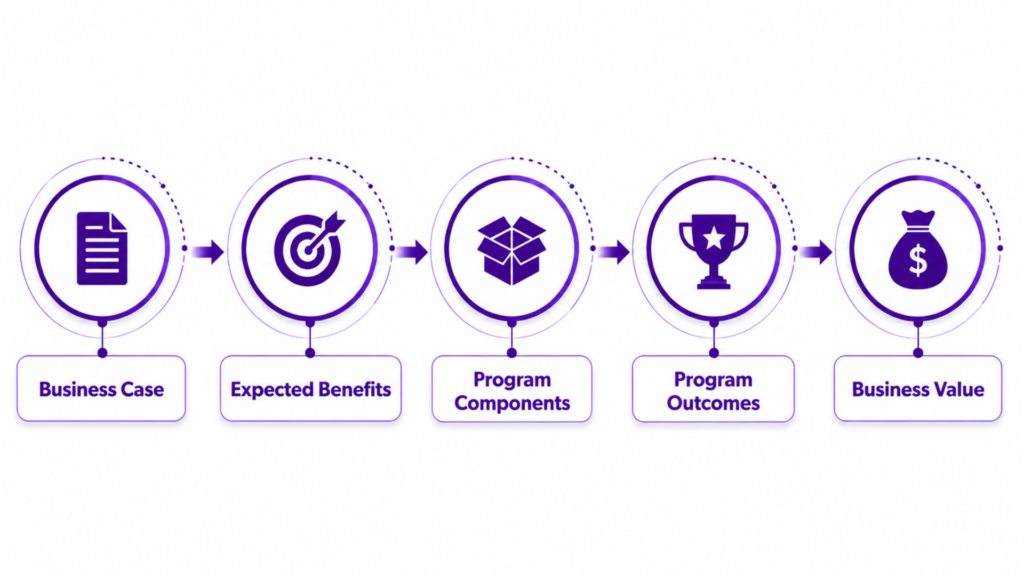
    📊 Why the Business Case Matters

    If the Business Case changes…

    Everything beneath it may need adjustment.


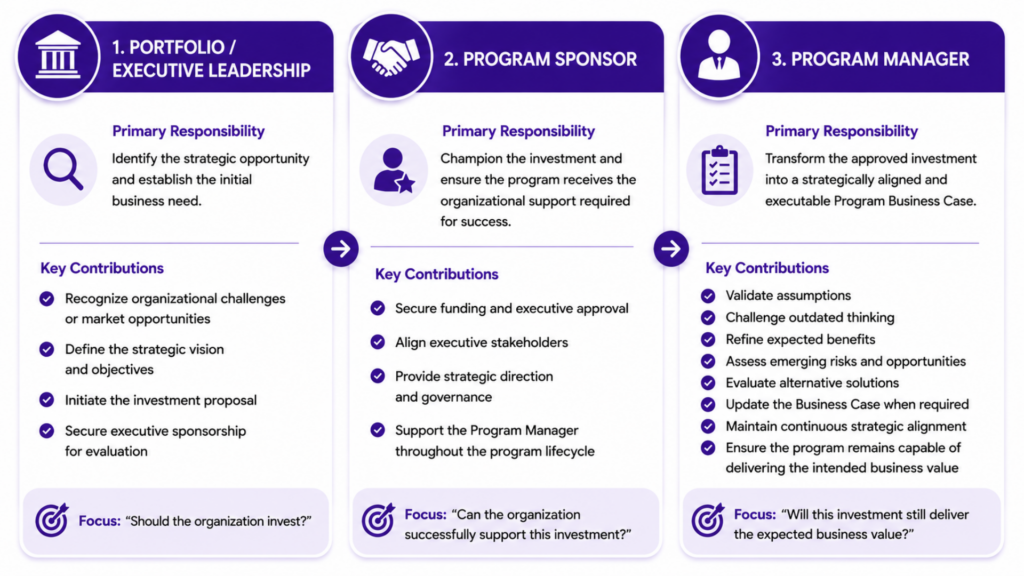
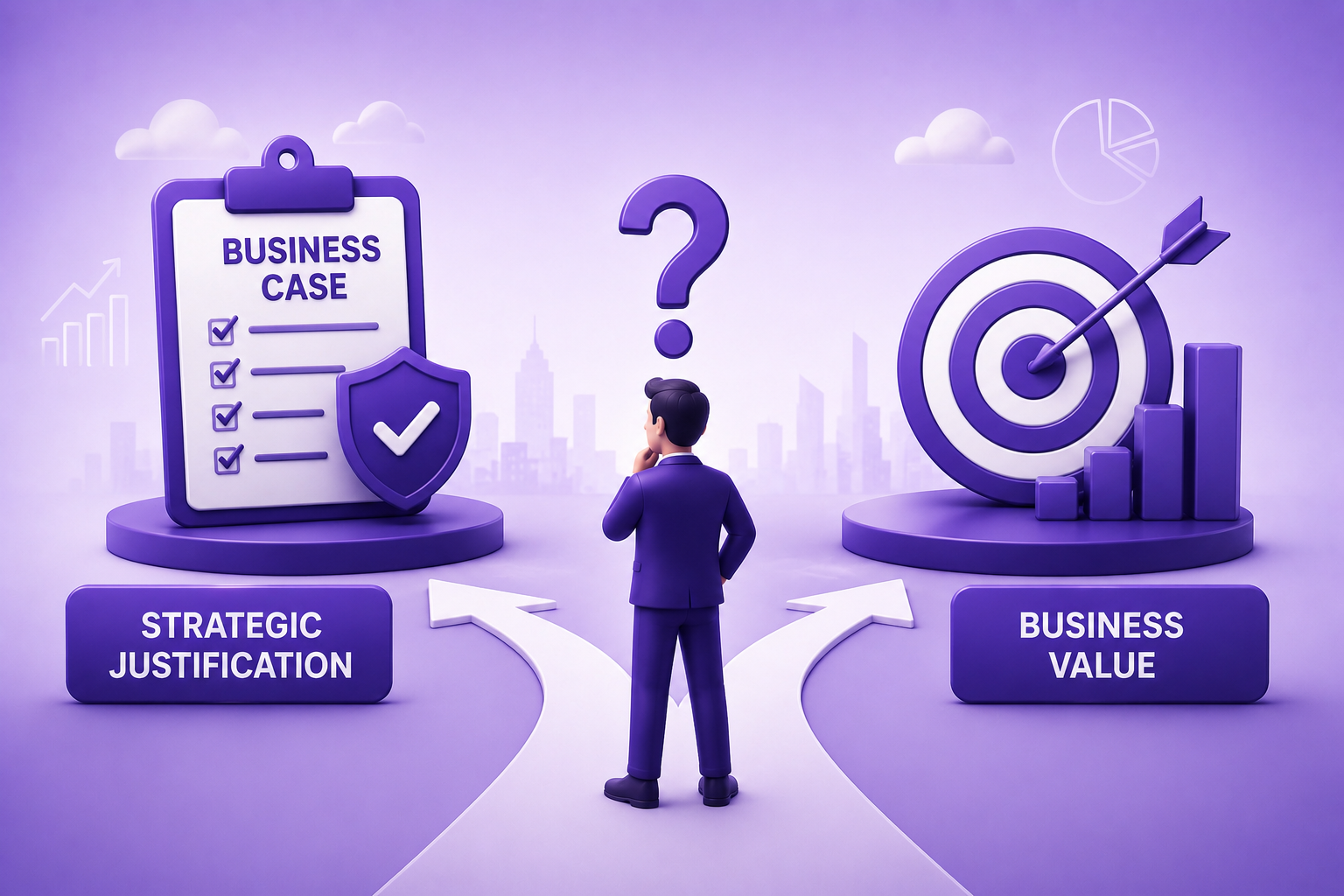
    👥 So… Who Really Owns the Program Business Case?

    ⚠️ This is NOT about document ownership.

    It is about VALUE OWNERSHIP.


    🎯 Key Takeaways

    Remember these five points:

    ✅ The initial investment idea may originate from Portfolio Management or Executive Leadership.

    ✅ The Program Manager does NOT simply inherit the Business Case.

    ✅ The Business Case becomes a living strategic document throughout the Program Life Cycle.

    ✅ The Program Manager continuously validates, challenges, refines, updates, and aligns the Business Case with organizational strategy.

    ✅ Successful Program Managers don’t just deliver projects…

    They ensure every dollar invested continues to create measurable organizational value.


    📚 References

    PMI® – The Standard for Program Management, Fifth Edition

    📖 Section 3.3.1 – Program Business Case  

    📖 Section 4.2.1 – Program Formulation Activities  

  • Is the Program Manager Part of the Program Steering Committee?

    Is the Program Manager Part of the Program Steering Committee?

    In my mentoring sessions this week, a brilliant question came up that frequently trips up even experienced leaders on the PgMP exam:

    “As a Program Manager, am I actually a member of the Program Steering Committee?”

    It’s a classic real-world vs. PMI standard dilemma. Let’s clear the smoke, lock down this concept for your exam, and ensure your governance structure is ironclad.

    🛑 The Short Answer: No.

    According to The Standard for Program Management, the Program Manager is not a member of the Program Steering Committee (also known as the Governance Board).

    Instead, you are the chief facilitator and an advisor to the committee. You attend the meetings, you drive the agenda, and you provide the data, but you do not hold a seat or a vote on the board itself.

    🔍 The Detailed Justification: Why the Separation?

    PMI strictly enforces the principle of segregation of duties within program governance. Here is why the roles must remain distinct:

    • Oversight vs. Execution: The Steering Committee exists to provide strategic direction, approve funding, and provide oversight over the program. As the Program Manager, you are responsible for executing that strategy. You cannot realistically provide independent oversight over your own execution.
    • Accountability: The Steering Committee evaluates program performance. If you were a voting member, you would essentially be grading your own homework.
    • Conflict of Interest: When high-stakes decisions arise, such as prematurely closing a component project or reallocating a budget, the Steering Committee must act as an objective governing body. The Program Manager must remain free to advocate for the program’s health without balancing governance voting constraints.

    Your Actual Role: You are the bridge. You prepare the governance briefs, highlight escalated risks, present change requests, and implement the board’s decisions. You are in the room, but you do not own the room.

    💡 A Real-World Example That Resonates

    Think of a publicly traded company.

    The Board of Directors represents the shareholders, sets strategic direction, and holds governance authority. The CEO runs the day-to-day operations and executes that strategy.

    While the CEO frequently attends Board meetings, presents financial reports, and heavily influences decisions through expert advice, the CEO answers to the Board. The Board maintains independent oversight.

    In your program, the Steering Committee is the Board, and you are the CEO.

    🎯 PgMP Exam Takeaway

    When answering situational questions on the PgMP exam, remember these golden rules:

    1. The Program Steering Committee has the ultimate authority to approve, defer, or reject changes that impact the program’s strategic alignment or business case.
    2. The Program Manager recommends actions and facilitates the governance process, but does not vote.

    Keep this distinction sharp, and you will easily navigate governance questions on exam day.

    What are your thoughts? How does this compare to how governance is practiced in your current organization? Reply to this newsletter and let’s get a discussion going.

    To your success,

    Kailash Upadhyay

    PgMP Mentor & Author

    Excelling Program Management – A PMI-PgMP Study Companion

  • Portfolio Management: Doing Right Things or Doing Things Right?

    Portfolio Management: Doing Right Things or Doing Things Right?

    Introduction

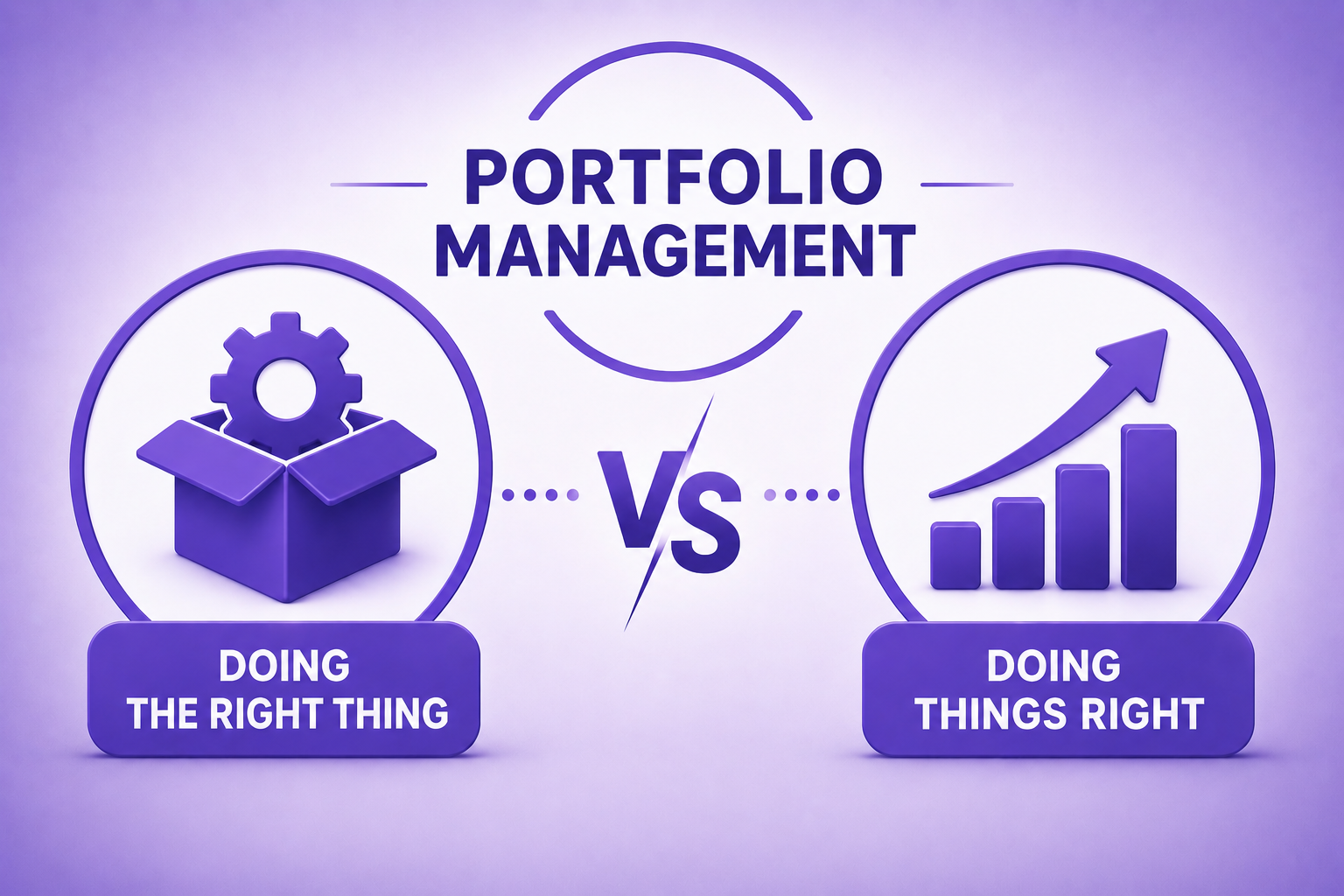
    In the world of portfolio management, there is a crucial distinction between doing the right things and doing things right. Both concepts play a significant role in achieving success, but understanding their differences and knowing how to apply them is key. In this article, we will delve into the realm of portfolio management and explore the importance of doing the right things versus doing things right, with a particular focus on IT consulting scope.

    Understanding Portfolio Management

    Before we dive into the core of our discussion, let’s clarify what portfolio management entails. Portfolio management refers to the strategic approach of managing a collection of projects, programs, and other initiatives to achieve specific organizational objectives. It involves making decisions about which initiatives to undertake, allocating resources, assessing risks, and maximizing the overall value derived from the portfolio.

    Importance of Doing Things Right

    Doing things right in portfolio management refers to executing projects and initiatives with precision, adhering to established processes, and ensuring quality deliverables. It emphasizes efficient resource allocation, effective project management methodologies, and rigorous monitoring and control.

    By doing things right, organizations can:

    1. Enhance project efficiency and effectiveness: Following established best practices and methodologies ensures that projects are executed in a structured and consistent manner, leading to better outcomes.
    2. Mitigate risks: Implementing rigorous monitoring and control mechanisms helps identify and address potential risks early on, minimizing their impact on the overall portfolio.
    3. Improve stakeholder satisfaction: Delivering high-quality results fosters trust and satisfaction among stakeholders, promoting long-term relationships and future opportunities.

    Challenges in Doing Things Right

    While doing things right is critical, it is not without its challenges. Some common obstacles that organizations face include:

    1. Balancing speed and quality: Striving for efficiency should not compromise the quality of deliverables. Finding the right balance is essential to avoid sacrificing one for the other.
    2. Adapting to changing circumstances: In a dynamic business environment, projects and initiatives often encounter unforeseen changes. Being agile and adaptable is crucial to maintain the course while accommodating necessary adjustments.
    3. Managing limited resources: Resource constraints can pose challenges in allocating the right people, skills, and tools to projects. Effective resource management practices are necessary to optimize utilization and minimize bottlenecks.

    Doing the Right Things in Portfolio Management

    Doing the right things, on the other hand, focuses on selecting the most valuable and strategic projects and initiatives for inclusion in the portfolio. It involves aligning the portfolio with the organization’s strategic goals and objectives, considering factors such as potential benefits, risks, resource availability, and market demands.

    When it comes to IT consulting scope, doing the right things entails:

    1. Conducting thorough needs analysis: Understanding the organization’s specific IT requirements and aligning them with strategic goals helps identify the right projects and initiatives to pursue.
    2. Prioritizing high-value opportunities: Assessing potential benefits, risks, and resource requirements helps prioritize projects that offer the greatest value and strategic alignment.
    3. Considering market trends and competition: Evaluating market demands and competitive landscape ensures that IT initiatives are well-positioned to capitalize on opportunities and meet customer expectations.

    Example of IT Consulting Scope

    To illustrate the concept of doing the right things in the context of IT consulting scope, consider a consulting firm that specializes in digital transformation for small businesses. They have a portfolio of potential IT projects that includes website development, CRM implementation, and cloud migration.

    To ensure they are doing the right things, the firm assesses each opportunity based on factors such as the client’s specific needs, potential business impact, alignment with the firm’s expertise, and market demand. They prioritize projects that have the highest potential for delivering value, addressing critical pain points, and generating long-term growth.

    By carefully selecting the right projects and initiatives, the consulting firm maximizes its chances of success and helps clients achieve their strategic objectives effectively.

    Benefits of Doing the Right Things

    Doing the right things in portfolio management offers several benefits, including:

    1. Strategic alignment: By selecting projects that align with the organization’s strategic goals, portfolio managers ensure that resources are allocated to initiatives that contribute to long-term success.
    2. Increased value creation: Focusing on high-value opportunities enables organizations to deliver tangible benefits and maximize return on investment.
    3. Risk mitigation: Evaluating potential risks and aligning the portfolio with risk tolerance levels helps minimize the impact of adverse events.

    Best Practices for Doing the Right Things

    To excel at doing the right things in portfolio management, organizations should consider the following best practices:

    1. Define clear strategic goals: Clearly articulate the organization’s strategic objectives to guide project selection and ensure alignment.
    2. Establish robust governance processes: Implement a governance framework that includes rigorous project evaluation and prioritization mechanisms.
    3. Foster collaboration and communication: Encourage cross-functional collaboration and open communication channels to facilitate informed decision-making and knowledge sharing.

    Pitfalls to Avoid

    While focusing on doing the right things, it’s essential to be mindful of potential pitfalls:

    1. Overcommitting resources: Selecting too many projects without considering resource constraints can lead to resource overutilization, delays, and quality issues.
    2. Ignoring feedback and lessons learned: Failure to learn from past experiences and adapt strategies can hinder improvement and hinder future success.
    3. Lack of regular portfolio evaluation: Continuously monitor and assess the portfolio’s performance to identify underperforming initiatives and reallocate resources as needed.

    Conclusion

    In the realm of portfolio management, both doing the right things and doing things right are crucial for success. While doing things right focuses on execution and quality, doing the right things emphasizes strategic alignment and value creation. Organizations that strike a balance between these two approaches can optimize their portfolio’s performance, achieve their objectives, and stay ahead in today’s competitive landscape.

    FAQs

    Q1: Can doing things right compensate for selecting the wrong projects?

    A1: While doing things right is important, selecting the right projects is fundamental. Executing the wrong projects efficiently still leads to wasted resources and missed opportunities.

    Q2: How can organizations ensure they are doing the right things in portfolio management?

    A2: Organizations should conduct thorough needs analysis, prioritize high-value opportunities, and align projects with strategic goals and market demands.

    Q3: Is it possible to do the right things without doing things right?

    A3: Doing the right things without proper execution may limit the potential benefits. It is essential to combine strategic alignment with efficient execution for optimal results.

    Q4: How can organizations balance doing the right things and doing things right?

    A4: Balancing the two requires establishing clear strategic goals, implementing robust governance processes, and fostering collaboration and communication across teams.

    Happy Learning

    Kailash Upadhyay.

  • Contingency Plan vs. Workaround: Navigating Risk Management in P3M

    Contingency Plan vs. Workaround: Navigating Risk Management in P3M

    Introduction:

    If you’re managing projects, programs, or portfolios, you’ve probably heard the terms “Contingency Plan” and “Workaround” thrown around quite a bit. But what do they really mean? And how do you know when to use one over the other? Understanding the difference is key to keeping your projects on track, even when things don’t go as planned.

    Let’s dive into these two important risk management approaches.

    What is a Contingency Plan?

    • Proactive by Nature: Developed during the planning phase of a project, contingency plans are designed to be proactive, meaning they are established before any risks materialize. These plans provide a structured response to potential risks, allowing project managers to prepare in advance. However, the execution of the plan only occurs if and when the identified risk actually materializes. For instance, if there is a known risk of supply chain delays, a contingency plan might involve securing an alternative supplier well in advance to mitigate the impact of any delays.
    • Time and Resources: Contingency plans benefit from the luxury of time. Since they are developed during the planning stages, they are typically well-documented, with allocated resources, timelines, and budget considerations. This preparation allows for a smoother execution when the plan is needed.

    Workaround: Reactive Problem Solving

    • Reactive by Nature: Workarounds are your immediate responses to unexpected problems that weren’t anticipated during the planning phase. Unlike contingency plans, which are thought out in advance, workarounds are developed on the fly when an unforeseen issue arises. They require quick thinking and flexibility to address problems that could otherwise derail your project. These solutions are crucial for keeping things on track when something unexpected happens, but they’re often created under pressure and without the benefit of detailed planning.
    • No Time for Formal Planning: Since workarounds are not planned in advance, they may not be as well-structured or detailed as contingency plans. They often rely on the project team’s ability to think on their feet and find creative solutions in real-time.

    So, What’s the Difference?

    Here’s a simple way to remember it:

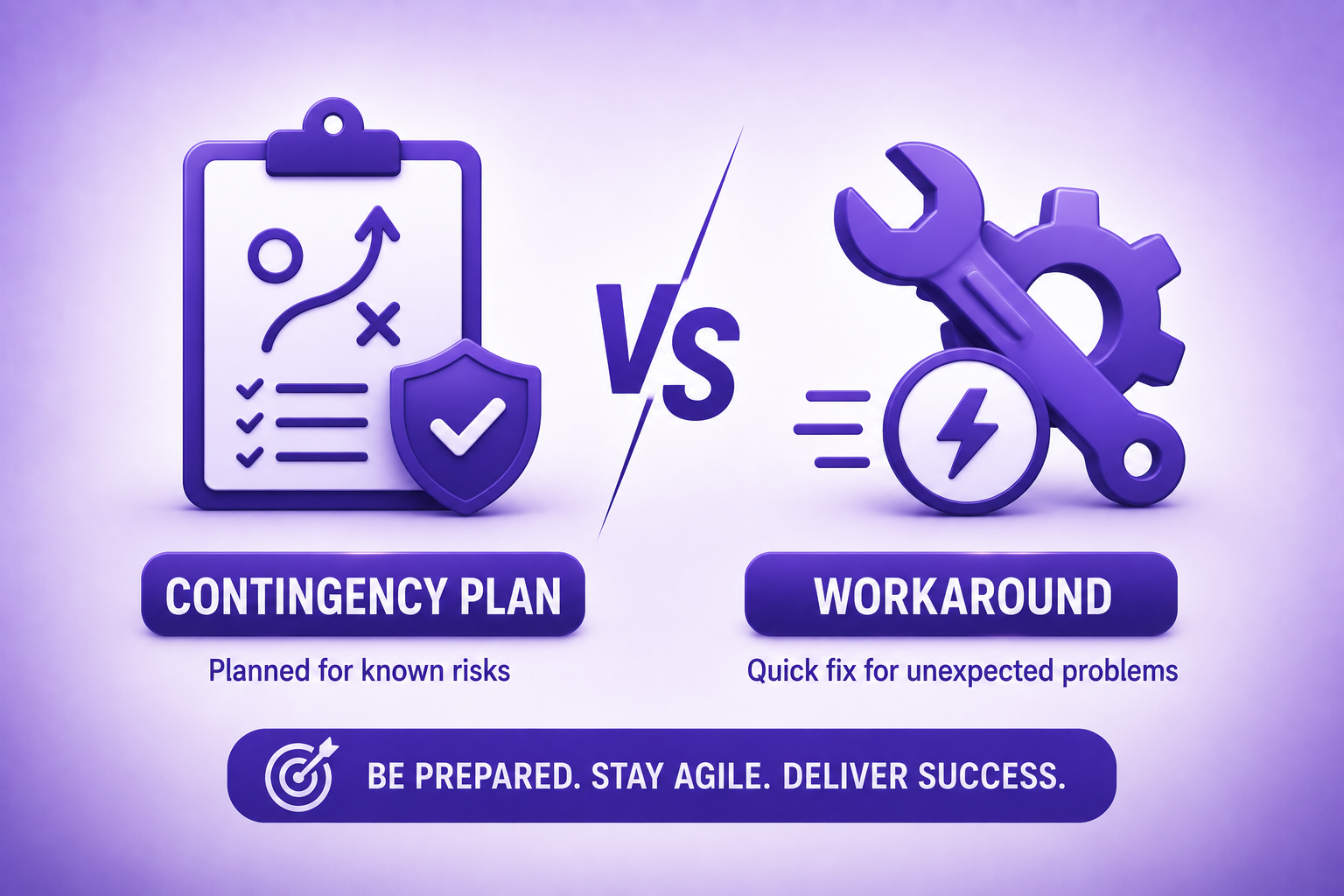
    • Contingency Plan = Plan B: Made in advance, ready to go if a known risk becomes a reality.
    • Workaround = On-the-Fly Fix: Created on the spot to handle unexpected problems that weren’t on your radar.

    Conclusion:

    In the world of project, program, and portfolio management, both contingency plans and workarounds are essential. Contingency plans give you peace of mind knowing you’re prepared for what might happen, while workarounds keep you agile and ready to handle surprises. By mastering both, you’ll be better equipped to navigate the twists and turns of any project, ensuring you can steer it toward success no matter what challenges arise.

    Let’s Keep the Conversation Going:

    Have you ever had to use a workaround in a critical situation? Or maybe you’ve seen a well-prepared contingency plan save the day? Share your experiences with our global P3M community, and let’s learn from each other. Together, we can all become better at managing risks and driving successful outcomes in our projects, programs, and portfolios.

    That’s all in this article. Once again, thank you for being part of this weekly newsletter series. I kindly ask for your continued support. Liking, sharing, and subscribing to this newsletter series is a simple yet powerful way to show your appreciation. By doing so, you not only help me reach a wider audience but also contribute to building a thriving community of knowledge seekers and enthusiasts.

    With heartfelt gratitude,

    Kailash Upadhyay

    Addon Skills: Adding Skills To Lead

  • Benefits Delivery versus Benefits Realization

    Benefits Delivery versus Benefits Realization

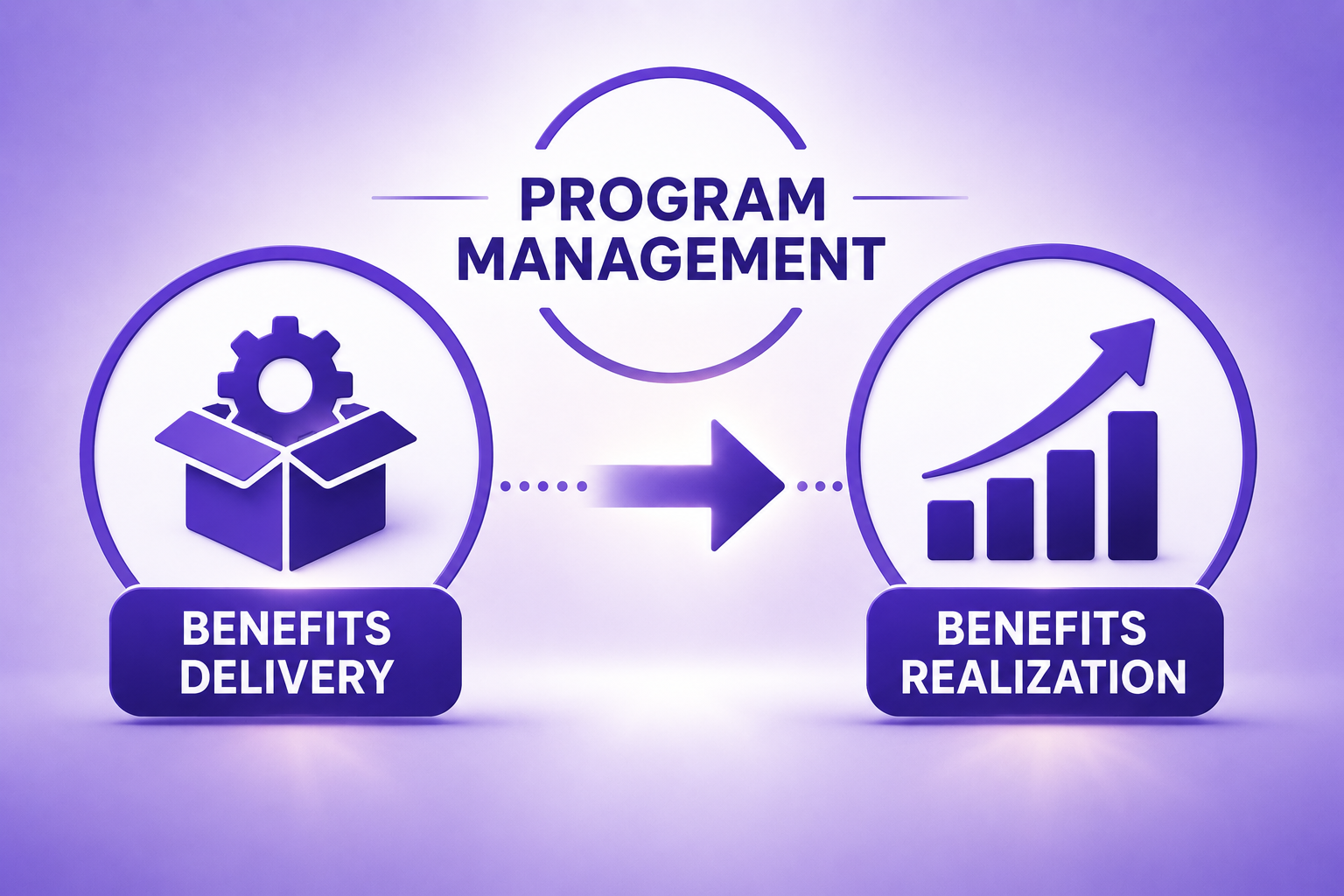
    In the context of Program Management, benefits delivery and benefits realization are two related but distinct concepts.

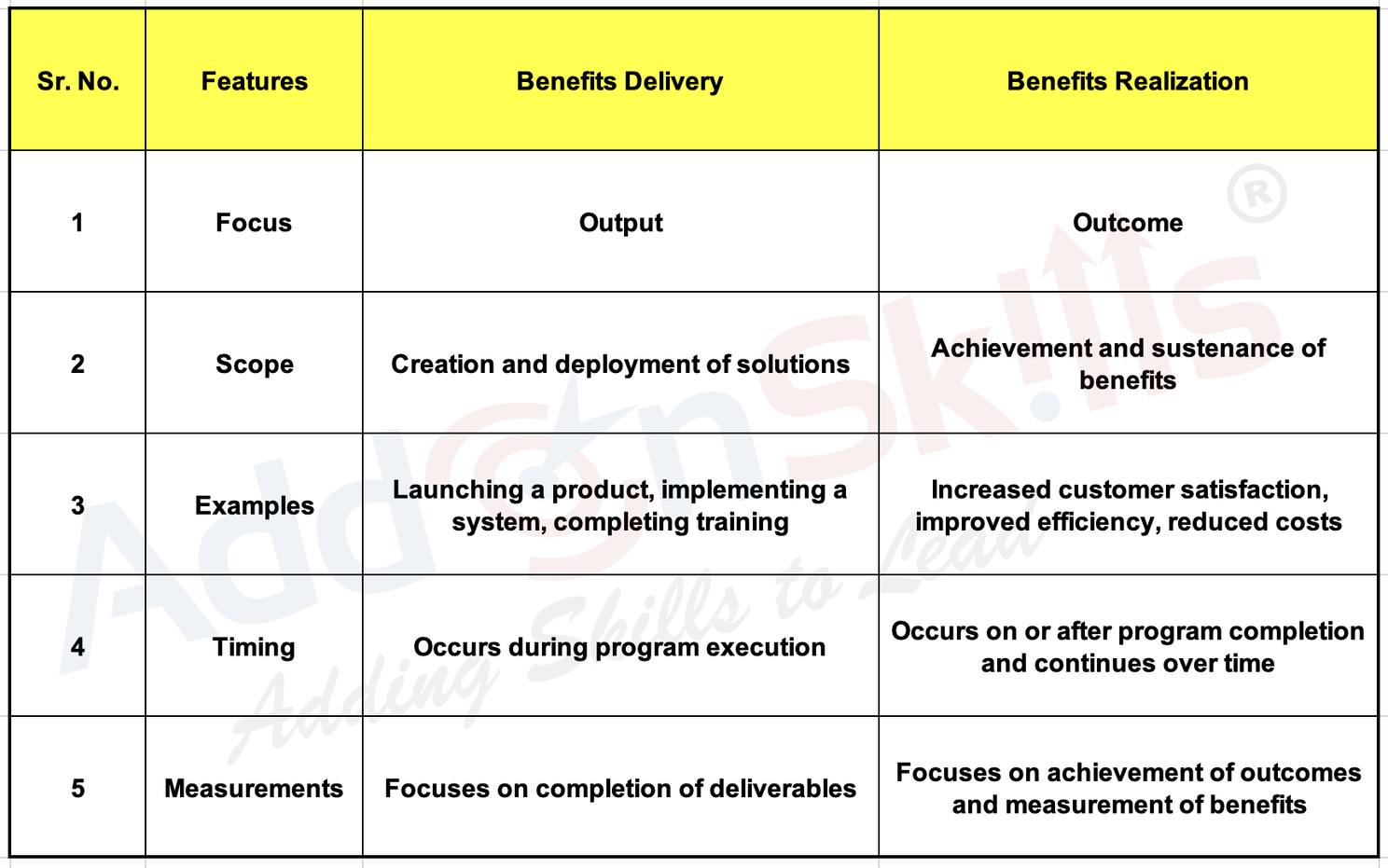
    Benefits Delivery:

    1. Focuses on the outputs and tangible results of a program.
    2. Deals with the creation and deployment of solutions and services that address the identified program business needs and objectives.
    3. Examples: Launching a new product, implementing a new software system, completing training programs.
    4. Benefits are delivered when the program outputs are available for use by the intended stakeholders.

    Benefits Realization:

    1. Focuses on the outcomes and positive changes achieved by the program.
    2. Concerned with the achievement and sustenance of the expected benefits.
    3. Examples: Increased customer satisfaction, improved efficiency, reduced costs, increased market share.
    4. Benefits are realized when the program achieves its intended outcomes and delivers the expected value to the organization.

    Here’s an analogy to further differentiate the concepts: Imagine you’re enrolled in a PgMP training program to enhance your program management skills. maxwin288

    • Benefits Delivery: This would involve attending the training sessions, panel review approval, and passing the PgMP certification exam.
    • Benefits Realization: This would involve applying the learned knowledge and skills to your existing or future program management roles. This could lead to improved component project performance, better stakeholder engagement, increased program success rates, and ultimately, greater organizational value.
    Benefits delivery versus Benefits Realization
    Key Difference Between Benefits Delivery and Benefits Realization

    Remember:

    • Benefits delivery is a prerequisite for benefits realization.
    • Effective benefits realization requires a proactive approach beyond program delivery.
    • It’s crucial to track and measure benefits over time to ensure their sustainability.

    In summary, understanding the distinction between benefits delivery and realization is crucial for success in the PgMP exam and for effective program management in general. By focusing on both the delivery and realization of benefits, program managers can ensure that their programs deliver true value to the organization.

    That’s all in this article. Once again, thank you for being part of this weekly newsletter series. I kindly ask for your continued support. Liking, sharing, and subscribing to this newsletter series is a simple yet powerful way to show your appreciation. By doing so, you not only help me reach a wider audience but also contribute to building a thriving community of knowledge seekers and enthusiasts.

    With heartfelt gratitude,

    Kailash Upadhyay

    Addon Skills: Adding Skills To Lead

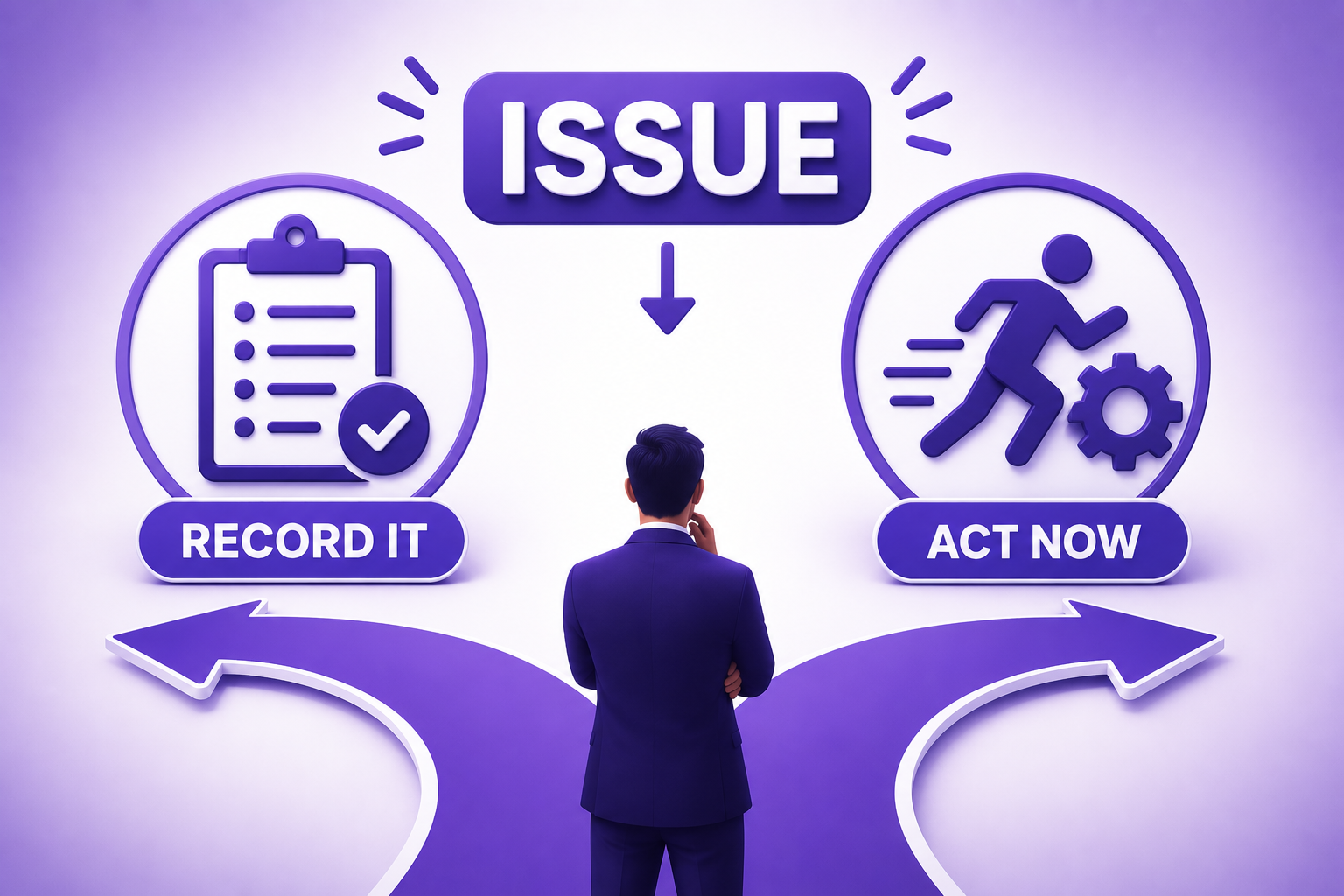
  • PgMP Insight: When to Act on Issues Instead of Logging Them First

    PgMP Insight: When to Act on Issues Instead of Logging Them First

    Many professionals assume the correct sequence is always: log the issue → analyze → act.

    But at the program level, that thinking can actually delay value delivery.

    The real anchor is simple: benefits realization comes first, process follows.


    🚨 Why “Log First” Can Be Risky

    Logging an issue sounds simple, but in reality, it takes time to:

    • 📝 Capture full context
    • 🔍 Assess impact properly
    • 👥 Align ownership
    • 🧭 Fit within governance structure

    Now imagine a live issue already impacting benefits…

    👉 While you’re documenting, the damage continues.

    Key insight:

    ⏱️ Delaying action for the sake of logging can directly erode program benefits.


    ⚡ When Immediate Action Is the Right Move

    If an issue:

    • 🔥 Is actively impacting or threatening benefits
    • ⏳ Requires urgent containment
    • 🎯 Falls within your authority

    Then:

    • ⚡ Act first
    • 🤝 Engage stakeholders quickly
    • 🛠️ Stabilize the situation

    And then:

    • 📘 Record it in the issue register
    • 🏛️ Align with governance

    👉 Action protects value. Documentation preserves discipline.


    🔄 The Missing Layer: Issues → Tactical Responses

    Here’s the deeper PgMP nuance most people miss:

    👉 Issues don’t just get logged; they trigger corrective actions

    👉 And those actions are often tactical changes

    For example:

    • ⚙️ Adjusting execution approach
    • 🔁 Reallocating resources
    • ⏱️ Changing sequencing
    • 🛠️ Implementing corrective fixes

    These are:

    • 🎯 Focused
    • ⚡ Time-sensitive
    • 🧩 Within program control

    👉 Which means the program manager can usually authorize them directly


    ⚖️ Performance Variance & Decision Authority

    Many issues originate from:

    👉 📉 Performance variances (cost, schedule, scope, benefits)

    Now here’s the critical distinction:

    🟢 Within Threshold (No Escalation Needed)

    • 📊 Impact is manageable
    • 🎯 Benefits are still recoverable
    • 🔧 Corrective action is contained

    👉 Program manager:

    • ⚡ Takes immediate action
    • 🛠️ Applies tactical changes
    • 📘 Logs afterward

    🔴 Beyond Threshold (Escalation Required)

    • 📉 Benefits realization is significantly at risk
    • 🔀 Requires reprioritization or re-baselining
    • 💰 Needs additional funding or strategic decision

    👉 Now it’s no longer just tactical

    👉 It becomes a strategic decision, requiring:

    • 🏛️ Sponsor / Steering Committee involvement

    🧠 The Real PgMP Mindset Shift

    Stop thinking:

    • ❌ Issue = log first
    • ❌ Issue = always tactical
    • ❌ Change = always strategic

    Start thinking:

    • ✅ What is the impact on benefits?
    • ✅ Is this within my decision authority?

    🎯 Exam & Real-World Anchor

    • 🔥 Urgent + within authority → Act first, log next
    • 🌱 Non-urgent → Log, analyze, then act
    • 🚨 Beyond authority → Escalate for governance decision

    And always:

    • 📌 Documentation is mandatory
    • ⏱️ But it should never delay value protection

    💡 Final Takeaway

    A mature program manager balances two forces:

    • 🏛️ Governance Discipline → record, track, control
    • 💰 Benefits Realization → protect value, act fast

    When they conflict:

    👉 Protect the benefits first. Then restore governance discipline.

    That’s not just good practice,

    👉 That’s exactly the level of thinking PgMP is designed to test.

    That’s all in this article. Once again, thank you for being part of this newsletter series. I kindly ask for your continued support. Liking, sharing, and subscribing to this newsletter series is a simple yet powerful way to show your appreciation. By doing so, you not only help me reach a wider audience but also contribute to building a thriving community of knowledge seekers and enthusiasts.

    With heartfelt gratitude,

    Kailash Upadhyay

    Addon Skills: Adding Skills To Lead

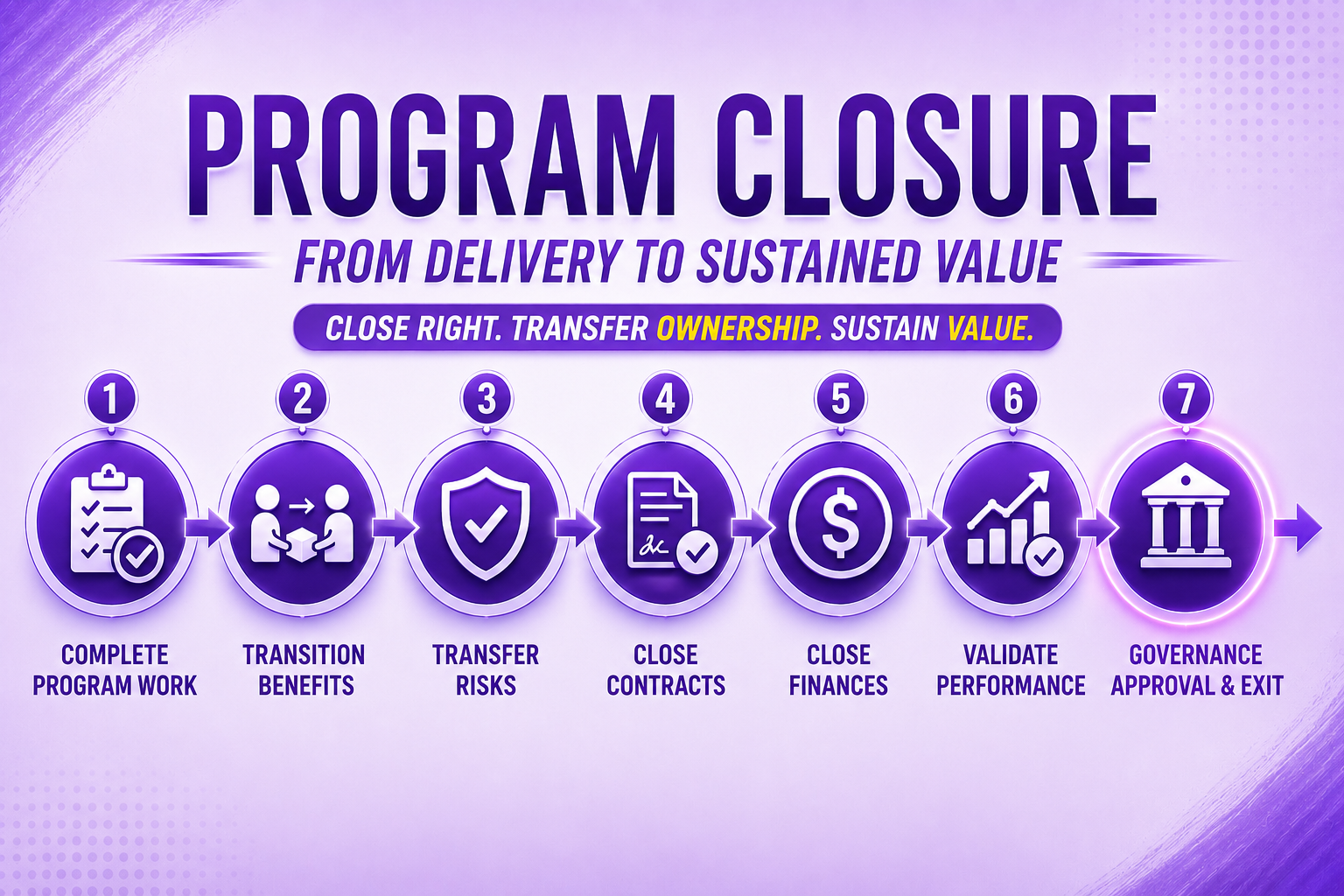
  • Program Closure Mastery: The Sequence Most Professionals Get Wrong

    Program Closure Mastery: The Sequence Most Professionals Get Wrong

    Program closure sounds simple on paper. Projects are done, deliverables are accepted, and you move on. But that’s exactly where most PgMP aspirants slip.

    Because in PMI’s world, a program is not successful when outputs are delivered. It is successful when benefits are sustained in operations.

    This article will help you lock the concept for both exam readiness and real-world execution.


    Why Program Closure Feels Confusing

    PMI doesn’t give you a neat checklist. Instead, closure is spread across:

    • Program Life Cycle (closure, reporting, transition)
    • Benefits Management (sustainment)
    • Governance (approval and oversight)

    That’s why many professionals mix up:

    • Component closure vs Program closure
    • Benefits realization vs Benefits transition
    • Administrative closure vs Governance closure

    And that confusion shows up directly in the exam.


    The Real Meaning of Program Closure

    Let’s simplify it.

    Program closure is not about finishing work.

    It’s about transferring accountability.

    👉 From program → to operations

    👉 From temporary governance → to business-as-usual ownership

    👉 From delivery → to sustained value

    If this transfer is incomplete, the program is not ready to close. Period.


    The 3-Layer Closure Model (This is your mental framework)

    Instead of memorizing steps, think in three layers.


    🔹 Layer 1: Are we truly ready to close?

    This is where most mistakes happen.

    Before even thinking about closure approval, you must ensure:

    👉 Component closure is complete

    • All projects and sub-programs are formally closed
    • Deliverables are accepted by relevant stakeholders
    • Scope is fully verified with no pending work
    • Project-level administrative closure is completed

    👉 Benefits are ready for sustainment

    • Not just realized, but owned by operations
    • KPIs and measurement mechanisms defined
    • Accountability clearly transferred

    👉 Residual risks are transferred

    • Risks are not eliminated, they are reassigned
    • Operations has accepted ownership

    👉 Contract closure is completed

    • All vendor and supplier contracts are formally closed
    • Deliverables verified against contractual terms
    • Claims, disputes, and obligations are fully resolved
    • No pending legal or commercial exposure remains

    👉 Financial closure is completed

    • All invoices are processed and payments completed
    • Budget is reconciled against actuals
    • Financial performance is finalized and documented
    • No outstanding financial liabilities remain

    💡 Sequence matters here:

    Contracts are closed first, which defines final obligations, followed by financial closure to settle and reconcile all payments.

    💡 If even one of these is incomplete, the program is still active.


    🔹 Layer 2: Can you prove program success?

    Now comes validation.

    👉 Final Program Performance Report

    • Planned vs actual across benefits, cost, schedule, and risks
    • This becomes the basis for governance closure decision

    👉 Stakeholder and customer confirmation

    • This is NOT about deliverables being accepted
    • It is about confirming that the program’s intended business value is achieved or is ready to be sustained in operations
    • Stakeholders should agree that outcomes are meaningful, measurable, and aligned with business expectations

    👉 Lessons learned captured

    • This is not a documentation exercise, it is organizational learning

    Focus on capturing insights at the program level, such as:

    • What integration challenges occurred across projects?
    • Which benefits were harder to realize and why?
    • What governance decisions helped or delayed value delivery?
    • Where did stakeholder alignment break down or improve?
    • How effective were transition and sustainment strategies?

    Also ensure:

    • Insights are consolidated, not scattered across projects
    • Lessons are categorized into actionable themes (governance, benefits, risk, stakeholder, etc.)
    • Knowledge is stored in a central repository for reuse

    💡 Strong program managers don’t just close programs.

    They improve how future programs are run.


    🔹 Layer 3: Formal closure and exit

    Only after Layers 1 and 2 are complete:

    👉 Governance closure approval

    • Formal decision by sponsor, steering committee, or governance board
    • Based on evidence, not assumption

    Ensure the following are presented clearly:

    • Final program performance report (benefits, cost, schedule, risks)
    • Status of benefits transition and sustainment readiness
    • Confirmation of residual risk and issue ownership transfer
    • Summary of stakeholder acceptance at program level

    What governance is really validating:

    • Has the program delivered intended value?
    • Is the business ready to sustain that value without program support?
    • Are there any remaining dependencies that require program oversight?

    💡 Important distinction:

    Governance does not just “approve closure”

    It confirms that the program is no longer needed for value realization


    👉 Administrative closure

    • This is execution after approval, not a decision point

    Includes activities such as:

    • Archiving all program documents, reports, and records
    • Closing program management systems (PMIS, dashboards, repositories)
    • Finalizing legal, compliance, and audit-related documentation
    • Communicating formal program closure to all stakeholders

    Also ensure:

    • All knowledge assets are properly stored and accessible
    • Documentation supports future audits and organizational learning
    • No critical information is left with individuals or informal channels

    💡 Key insight:

    Administrative closure ensures that nothing from the program is lost, incomplete, or inaccessible after closure


    👉 Resource release

    • Program team is formally released
    • Any temporary structures are dissolved
    • No remaining program-level accountability

    💡 Resource release before approval is a classic exam trap.


    The Golden Sequence (Memorize this logic, not steps)

    Here’s the flow that will solve most PgMP questions:

    👉 Component Closure

    → Benefits Transition Ready

    → Risks Transferred

    → Final Performance Reporting

    → Governance Approval

    → Administrative Closure

    → Resource Release


    Where Most Professionals Go Wrong

    Let’s call out the exact traps.


    ❌ “All projects are closed, so the program is done”

    No. That’s only the starting point.


    ❌ “Benefits have started, we can close”

    No. Benefits must be sustainable and owned.


    ❌ “We can close now and finish transition later”

    No. Closure means nothing critical is pending.


    ❌ “Final reporting can happen after closure”

    No. Reporting is needed before governance approval.


    ❌ “Risks can be handled after closure”

    No. If risk ownership is still with the program, closure is invalid.


    Real-World Perspective (Why This Matters Beyond Exam)

    In real organizations, premature closure leads to:

    • Benefits collapsing after program ends
    • Operations struggling without ownership clarity
    • Risks resurfacing with no accountability
    • Leadership losing trust in program governance

    Strong program managers don’t just deliver outcomes. They ensure those outcomes survive without them.


    One Line You Should Never Forget

    👉 A program is ready to close only when benefits, risks, and ownership are fully transitioned, and performance is formally validated under governance.


    That’s all in this article. Once again, thank you for being part of this newsletter series. I kindly ask for your continued support. Liking, sharing, and subscribing to this newsletter series is a simple yet powerful way to show your appreciation. By doing so, you not only help me reach a wider audience but also contribute to building a thriving community of knowledge seekers and enthusiasts.

    With heartfelt gratitude,

    Kailash Upadhyay

    Addon Skills: Adding Skills To Lead

  • Can A Program Exist Without a Subsidiary Program?

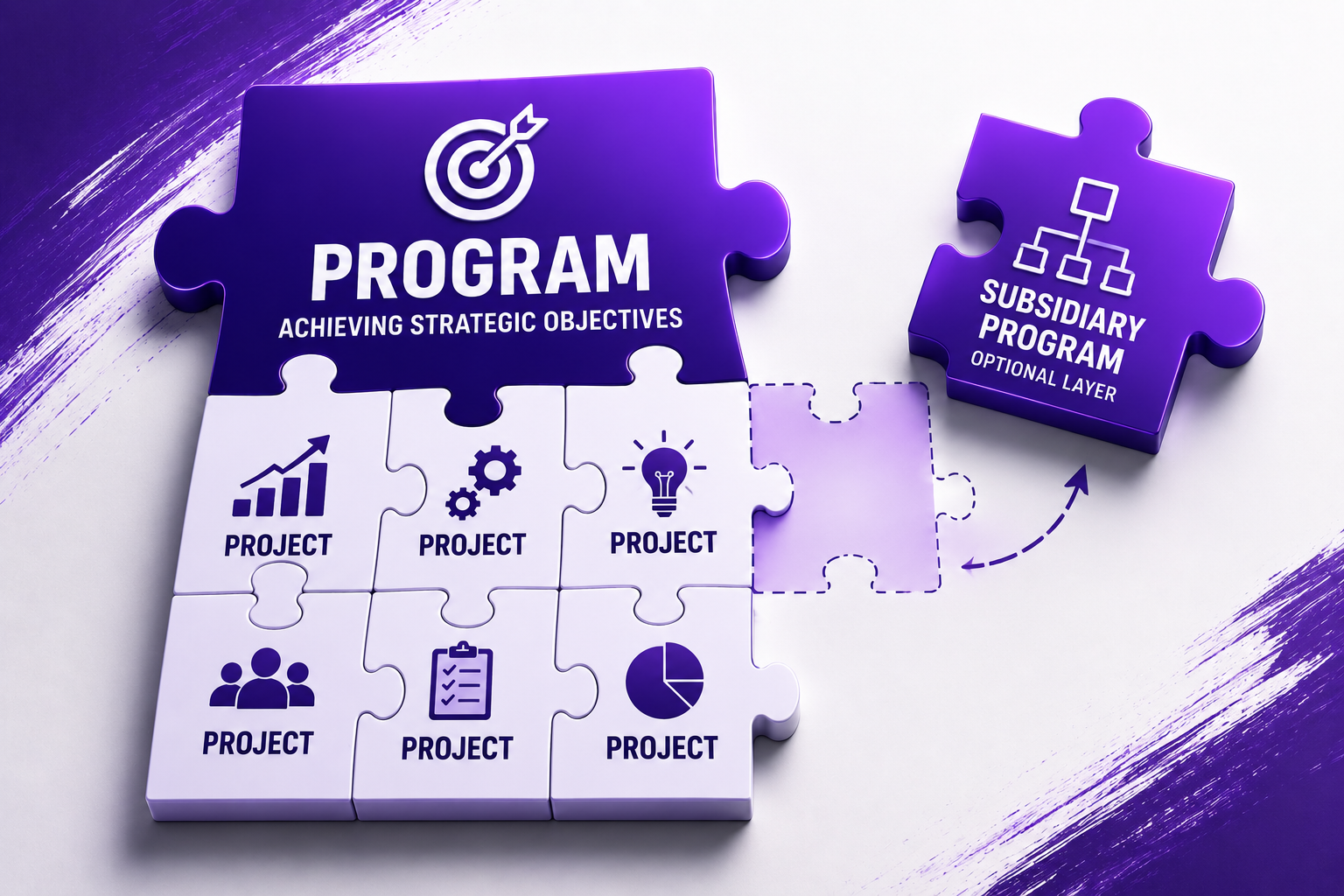
    Can A Program Exist Without a Subsidiary Program?

    One of the most frequently misunderstood concepts in program management is the relationship between programs, subsidiary programs, and projects.

    Many professionals assume that because subsidiary programs are often depicted within program structures, they are a mandatory component of every program. In reality, the opposite is true.

    A program may exist without a subsidiary program. However, it cannot exist without projects.

    Understanding this distinction is critical not only for PgMP aspirants but also for practicing Program Managers responsible for designing and governing complex initiatives.

    Let’s Explore a Real-World Example

    Consider a bank launching a Digital Banking Transformation Program.

    The program is established to realize strategic benefits such as:

    • Increased digital customer adoption • Improved customer experience • Reduced operating costs • Enhanced operational efficiency • Strengthened cybersecurity posture

    To achieve these outcomes, the organization initiates several projects, including:

    • Mobile banking platform modernization • Digital customer onboarding implementation • Cybersecurity enhancement initiative • AI-powered customer support deployment

    Each project delivers specific outputs and capabilities. Collectively, these outputs contribute to the realization of the program’s intended benefits.

    Without these projects, there would be no deliverables, no capabilities, and ultimately no benefits to realize.

    This is why projects are fundamental building blocks of a program.

    When Does a Subsidiary Program Become Necessary?

    Now imagine that one particular benefit area, customer experience transformation, grows significantly in scope and strategic importance.

    The organization recognizes that improving customer experience requires:

    • Dedicated governance structures • Specialized stakeholder engagement efforts • Independent benefits tracking and realization • Coordinated management of multiple related projects • A separate transformation roadmap

    At this stage, managing the customer experience initiative as a collection of isolated projects may no longer be sufficient.

    The organization may decide to establish a subsidiary program focused specifically on Customer Experience Transformation.

    This subsidiary program remains aligned with the parent Digital Banking Transformation Program while managing its own projects, stakeholders, risks, governance mechanisms, and benefits realization activities.

    Notice what changed.

    The original program did not require a subsidiary program at inception. The subsidiary program emerged only when a subset of strategic benefits justified its creation.

    The Key Principle

    Projects are created to deliver outputs and capabilities.

    Programs are created to realize benefits from those capabilities.

    Subsidiary programs are created only when a portion of the program becomes sufficiently large, complex, or strategically significant to warrant dedicated program-level governance and management.

    Therefore:

    Projects are mandatory because benefits cannot be realized without the outputs they produce.

    Subsidiary programs are optional because they are merely a structural mechanism used to manage complexity when needed.

    Why This Matters for Program Managers

    Experienced Program Managers do not design program structures based on organizational charts or reporting lines.

    They design programs based on benefits realization.

    The central question is never:

    “Do we need a subsidiary program?”

    Instead, the question should be:

    “Does this collection of benefits require dedicated program-level coordination and governance to maximize value realization?”

    When benefits drive the design, the structure naturally follows.

    A Valuable PgMP Examination Insight

    Many PgMP exam questions test a candidate’s ability to distinguish between governance structures and value-delivery mechanisms.

    Remember this simple rule:

    A program can survive without subsidiary programs.

    A program cannot survive without projects.

    Projects create outputs.

    Outputs enable capabilities.

    Capabilities generate benefits.

    Benefits justify the existence of the program.

    Understanding this chain of value creation is essential for both PgMP success and effective program leadership.

    The best Program Managers don’t focus on organizational structures first. They focus on benefits realization and then build the governance framework necessary to achieve it.

    That’s all in this article. Once again, thank you for being part of this newsletter series. I kindly ask for your continued support. Liking, sharing, and subscribing to this newsletter series is a simple yet powerful way to show your appreciation. By doing so, you not only help me reach a wider audience but also contribute to building a thriving community of knowledge seekers and enthusiasts.

    With heartfelt gratitude,

    Kailash Upadhyay

    Addon Skills: Adding Skills To Lead

  • Why Do Great Project Managers Update Baselines for Positive Variance Too?

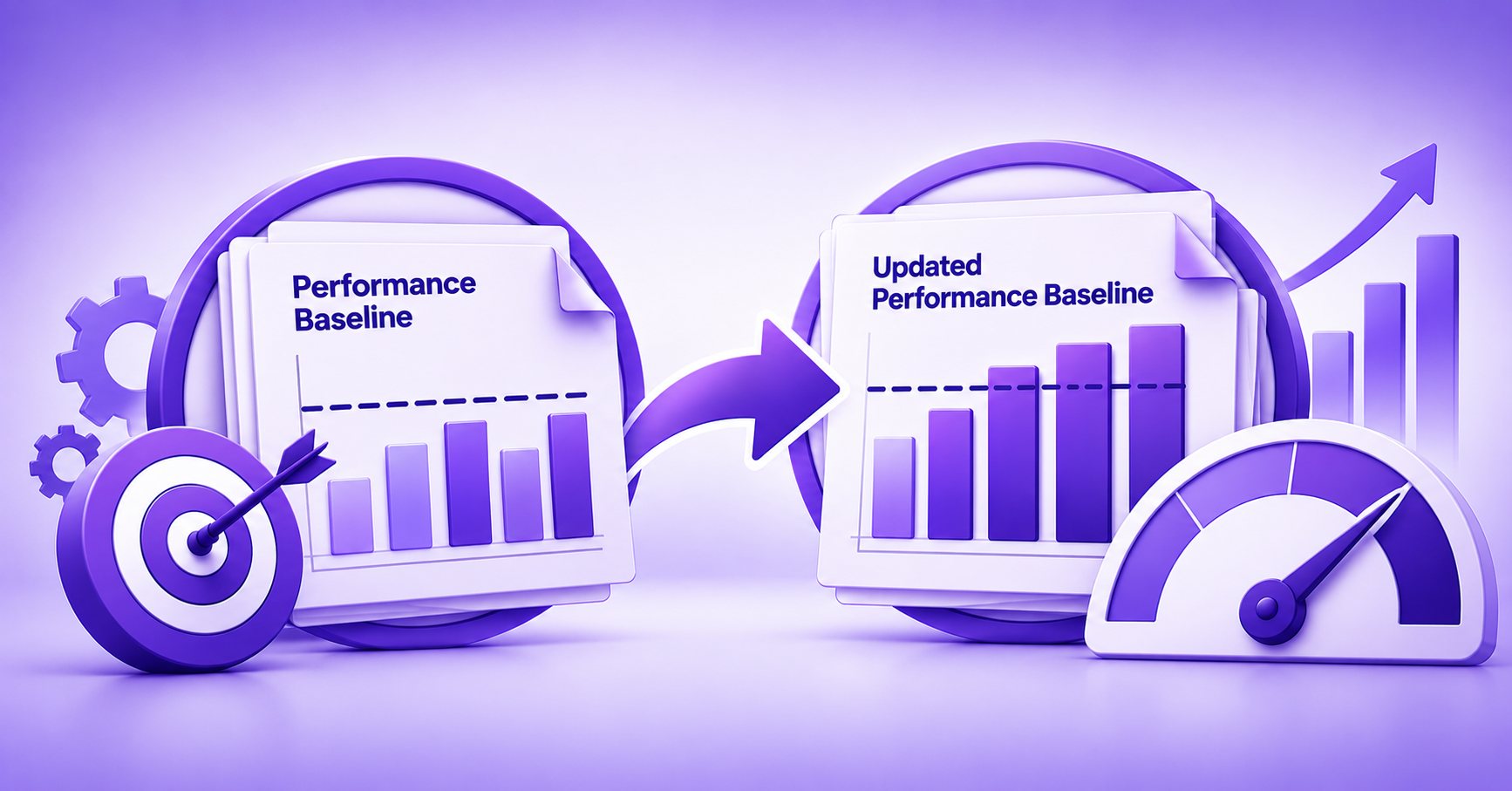
    Why Do Great Project Managers Update Baselines for Positive Variance Too?

    Here’s a question for project and program professionals:

    What happens when your team consistently outperforms the baseline?

    Sounds like a good problem to have, right?

    But what if that “better-than-plan” performance continues month after month?

    At some point, should you still call it exceptional performance?

    Or has your baseline become outdated?

    During a consulting assignment with a manufacturing organization, I saw this exact situation.

    The plant’s production baseline was 1,000 units per day.

    Through process improvements, automation, and better cross-functional collaboration, the team consistently achieved 1,300 units per day without compromising quality.

    Naturally, leadership was pleased.

    But during a performance review, I asked a simple question:

    “If 1,300 units per day has become the norm, why are we still measuring success against 1,000?”

    The room went silent.

    Month after month, the organization was reporting positive variance.

    Month after month, it was celebrating performance that had already become routine.

    The problem wasn’t performance.
    The problem was the baseline.

    We often think about baselines as something that should be protected from change.

    But there is another side to the conversation.

    A baseline should help us understand current performance against an agreed reference point. When the organization has demonstrated a sustained and repeatable improvement, continuing to measure against an outdated reference point can distort the performance conversation.

    So, together with the leadership team, we updated the baseline to reflect the organization’s new reality.

    And something interesting happened.

    The conversation changed.

    Instead of asking:

    “Why are we performing 30% above plan?”

    Leadership could now ask:

    “What is the next level of performance we should be targeting?”

    That shift is important.

    Because a baseline shouldn’t become a permanent monument to the past.

    It should remain relevant to the reality against which performance is being managed.

    Here’s the thought I want to leave you with:

    Should a baseline change when performance improves consistently?

    The answer isn’t simply “yes.”

    A baseline shouldn’t be changed merely because a team has one good month or because someone wants the numbers to look harder.

    But when improved performance becomes sustained, repeatable, and accepted as the new operating reality, it may be time to reconsider whether the existing baseline still serves its purpose.

    This distinction matters across P3M.

    Whether you’re managing cost, schedule, productivity, capacity, quality, benefits, or other performance measures, ask yourself:

    Are we managing against today’s reality, or are we still measuring ourselves against yesterday’s limitations?

    Because what was exceptional yesterday may eventually become the benchmark for tomorrow.

    And perhaps the real sign of improvement isn’t that you’re constantly beating the baseline.

    Perhaps it’s knowing when the baseline itself needs to evolve.

    What do you think?

    Should consistently improved performance trigger a baseline review?

    Share your perspective in the comments. I’d particularly like to hear how project, program, and portfolio professionals handle this in their organizations.